Ben Böhmer
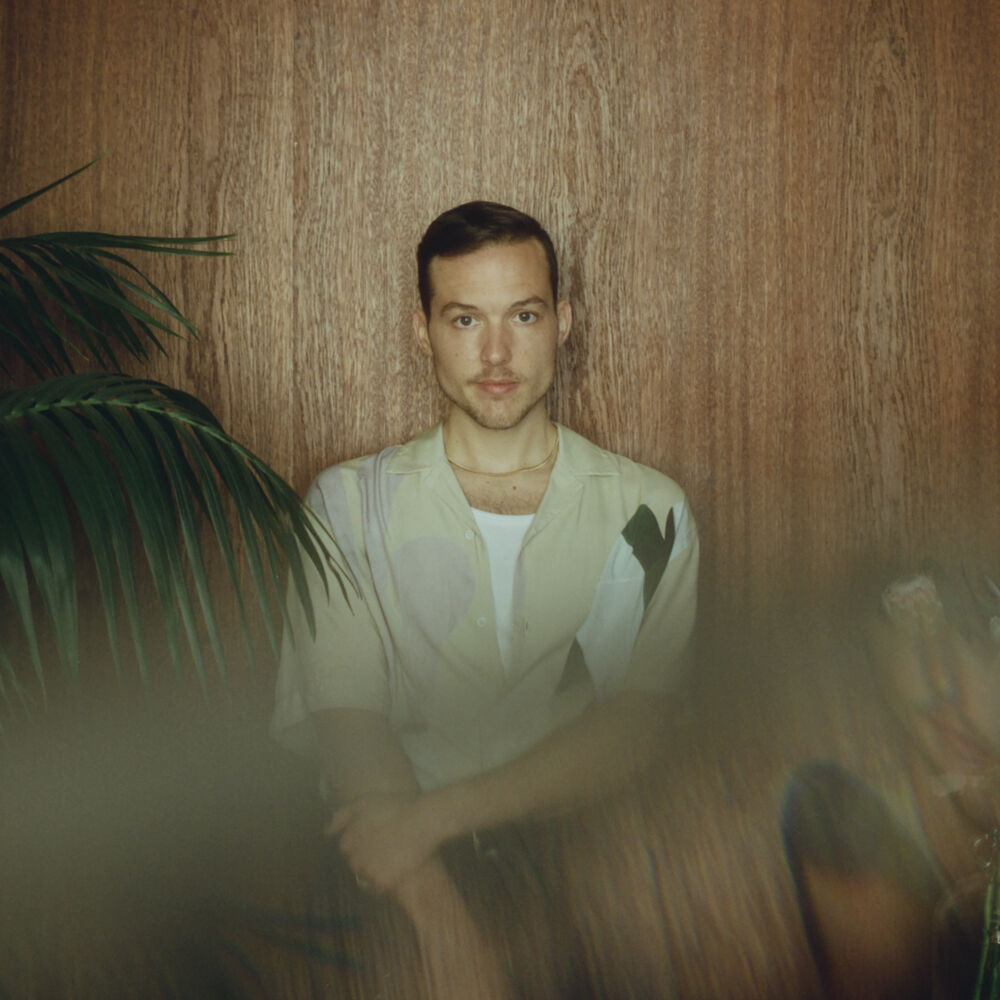
Ben Böhmer, a German producer from Göttingen now based in Berlin, found that the growth of touring left him burnt out and unable to finish music during that period. For Bloom, he rejected writing for a presumed audience or purpose, instead choosing the music he wanted to make. He describes the result as a chilled, diverse album with ambient and indie influences.123
Contents
The career, by era
Learning to play his own music
Böhmer was classically trained from age six, but came to dislike practising other people’s music. His teacher eventually told him that he could no longer teach him, while urging him not to stop playing. After a year or two away from piano, Böhmer began studying improvisation, jazz, scales and theory with Christoph Busse; he credits those lessons with teaching him how chords work together.123
His next choice was practical and defining. He moved to Ableton Live because he wanted to perform his own music rather than DJ with other people’s records.2 By 2019, sets made entirely from his own material had become a firm principle, not just a technical preference.4 “I want to play my own music and let the music speak!” he told Production Music Live.5 That decision joined the composition and performance sides of his career before the bookings arrived.
Before that music became a touring career, Böhmer taught piano in Berlin while producing on the side. The trajectory changed in 2017 when a friend passed his work to Lane 8, who played it at shows and recommended him to Anjunadeep co-founder James Grant. The referral turned demos into a full-time career, and Böhmer stopped teaching to focus on electronic music.4
When the bookings all happened
By 2018, one release had shifted his calendar from one or two German shows a month to flights around the world.3 The momentum continued through Breathing in 2019, Begin Again in 2021 and the Cappadocia Cercle set.123 When the music industry reopened, he said yes to almost every offer and played close to 200 shows in 2022.3
The cost appeared in the studio. Böhmer normally welcomed short breaks from production because he could return with fresh ideas, but the touring pause became too long. He finished no music that year, only a few fragments, and returned from the cycle burnt out.23 Even carrying equipment into rented apartments on off-days could not create sustained writing time.2 Looking back in 2024, he described the constant flying and planned a smaller run of roughly seventy shows, deliberately leaving more room for writing and balance.2
The record he stopped trying to make
After the 200-show run, Böhmer spent three months disliking everything he made.2 He considered building a functional dance album for the larger festival stages where harder music worked well—a pragmatic answer to the scale of his new career, but a poor match for the softer electronic ballads he had been writing. He abandoned the brief. Instead of writing for a presumed audience or purpose, he decided to make exactly what he wanted.2
He took time off, went hiking and began writing at home without a goal; part of Bloom was made in an isolated mountain house in northern Italy.3 The album that emerged was chilled and deliberately diverse, drawing on ambient and indie influences rather than becoming a full-on dance record. Böhmer described its title as a parallel between growth in nature and his own musical and personal development.2
Inside the songs
Most of Bloom began in one room with a sparse setup centred on an upright piano, speakers and a computer.2 He recorded the piano’s microphone and MIDI paths at the same time, capturing a performance before searching for sounds. “I feel like the best ideas I’ve had were always started on the piano,” he said.3
The restriction reversed the logic of the festival-album idea. Rather than begin with impact, Böhmer could begin with a melody that worked on a stripped-down instrument, then decide how much sound it needed.23 The production followed the song.
That intimate process could still expand. Evermore began with sampled strings, but Böhmer replaced them with the 40-string FAMES orchestra after a friend mentioned an upcoming session. With little preparation time and the players in another country, he sent the MIDI notes for a score and joined the recording remotely.2 He later used the orchestra again on Rain. The scale arrived after the writing rather than dictating it.
For Best Life, Böhmer worked in person with his friends Jonah and Malou, refining the song through repeated vocal and lyric changes.2 He recalls listening to the eightieth mixdown on a balcony after yet another lyrical revision.2 The drawn-out process illustrates why he prefers sharing a room with vocalists: small changes can happen immediately, and the song feels made together rather than exchanged between separate studios.
Finishing a record, keeping the songs open
Bloom occupied eighteen months, though Böhmer says most songs reached an early form quickly; finishing was the difficult part.2 He sent roughly 130 mixdowns to other engineers, disliked the results and reclaimed the task himself. The final balance had to hold both the scale of a large stage and the intimacy of home speakers. “The last 5 or 10 per cent drove me crazy from time to time,” he said.2
The album was released on 27 September 2024 through Ninja Tune.12 Yet release did not freeze the songs. Böhmer continues to change arrangements in performance as his taste evolves, leaving even older material open to new ideas.2 A studio mix can be cleaned up for headphones, while a live version may need shorter breakdowns and fewer textures to remain legible on a large sound system.3 The same impulse that once made him play only his own music now keeps that music in motion.
Turning points
| Date | Event | Source |
|---|---|---|
| 2017 | A referral through Lane 8 leads to Anjunadeep and a full-time music career. | 4 |
| 2018 | A breakout release shifts his calendar from German shows to international touring. | 3 |
| 2022 | Close to 200 shows leave him burnt out and unable to finish music. | 23 |
| 2024 | Bloom turns that interruption into a more self-directed third album. | 12 |
References
| # | source | type |
|---|---|---|
| 1 | Wikipedia | ENCYCLOPAEDIA |
| 2 | MusicRadar | INTERVIEW |
| 3 | SoundCloud: Sound Advice | TRANSCRIPT |
| 4 | Billboard | PROFILE |
| 5 | Production Music Live | FEATURE |